


In the Beginning
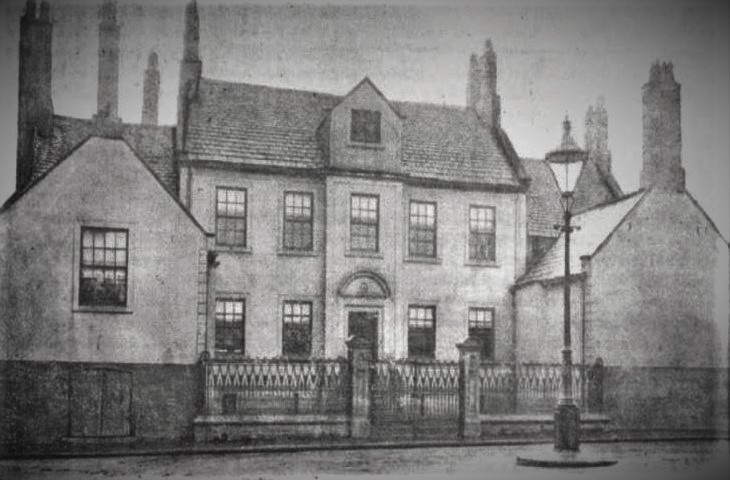 The building is of significant historic importance and the location,
at the southern end of the town’s historic market place is a key feature
of Whitehaven’s Georgian landscape.The original property was constructed sometime
around 1713 by a local merchant, James Milham, when the town was becoming
established by the Lowther family, the local landowner, as a significant and
important port and trading centre. The building served as both a warehouse
and family residence, which was a common arrangement at the time.
The building is of particular historic interest as it was built off
the Street. The Lowther family objected to this arrangement and shortly
after brought in regulations to require future buildings in the town to be built on the street.
The building is of significant historic importance and the location,
at the southern end of the town’s historic market place is a key feature
of Whitehaven’s Georgian landscape.The original property was constructed sometime
around 1713 by a local merchant, James Milham, when the town was becoming
established by the Lowther family, the local landowner, as a significant and
important port and trading centre. The building served as both a warehouse
and family residence, which was a common arrangement at the time.
The building is of particular historic interest as it was built off
the Street. The Lowther family objected to this arrangement and shortly
after brought in regulations to require future buildings in the town to be built on the street.
Into the 1900's
 James Milham was a prominent sea captain, and in the early 1700's, like Bristol and Liverpool, Whitehaven was growing
in importance in international trade. It was famous for its Rum. Even 20 years ago, the Jefferson Sisters
were still selling their own brand Navy Rum from the Bonded Warehouse in the middle of town.
When the Captain lived here, there were only his house and the church to be seen.
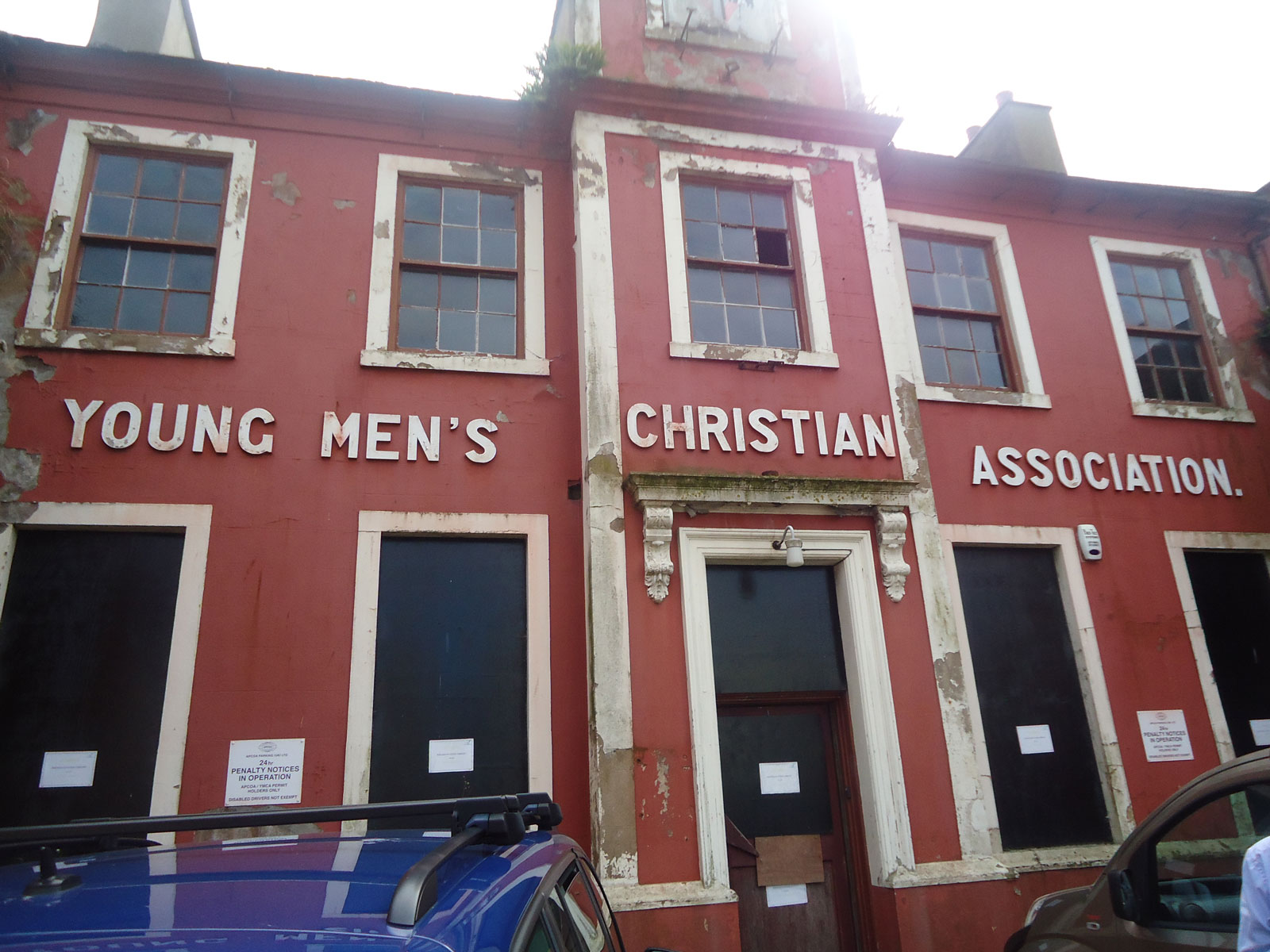
By the 1960s, his house had become a rundown building famous only among local
residents for the activities they undertook as members of the YMCA.
James Milham was a prominent sea captain, and in the early 1700's, like Bristol and Liverpool, Whitehaven was growing
in importance in international trade. It was famous for its Rum. Even 20 years ago, the Jefferson Sisters
were still selling their own brand Navy Rum from the Bonded Warehouse in the middle of town.
When the Captain lived here, there were only his house and the church to be seen.
By the 1960s, his house had become a rundown building famous only among local
residents for the activities they undertook as members of the YMCA.
And Now
 The building has undergone a number of changes over the years with the
previous owners, the YMCA, taking over the building in the early 1900's.
By the 1990s, the house was derelict. The billiard tables were destroyed by a leaking roof,
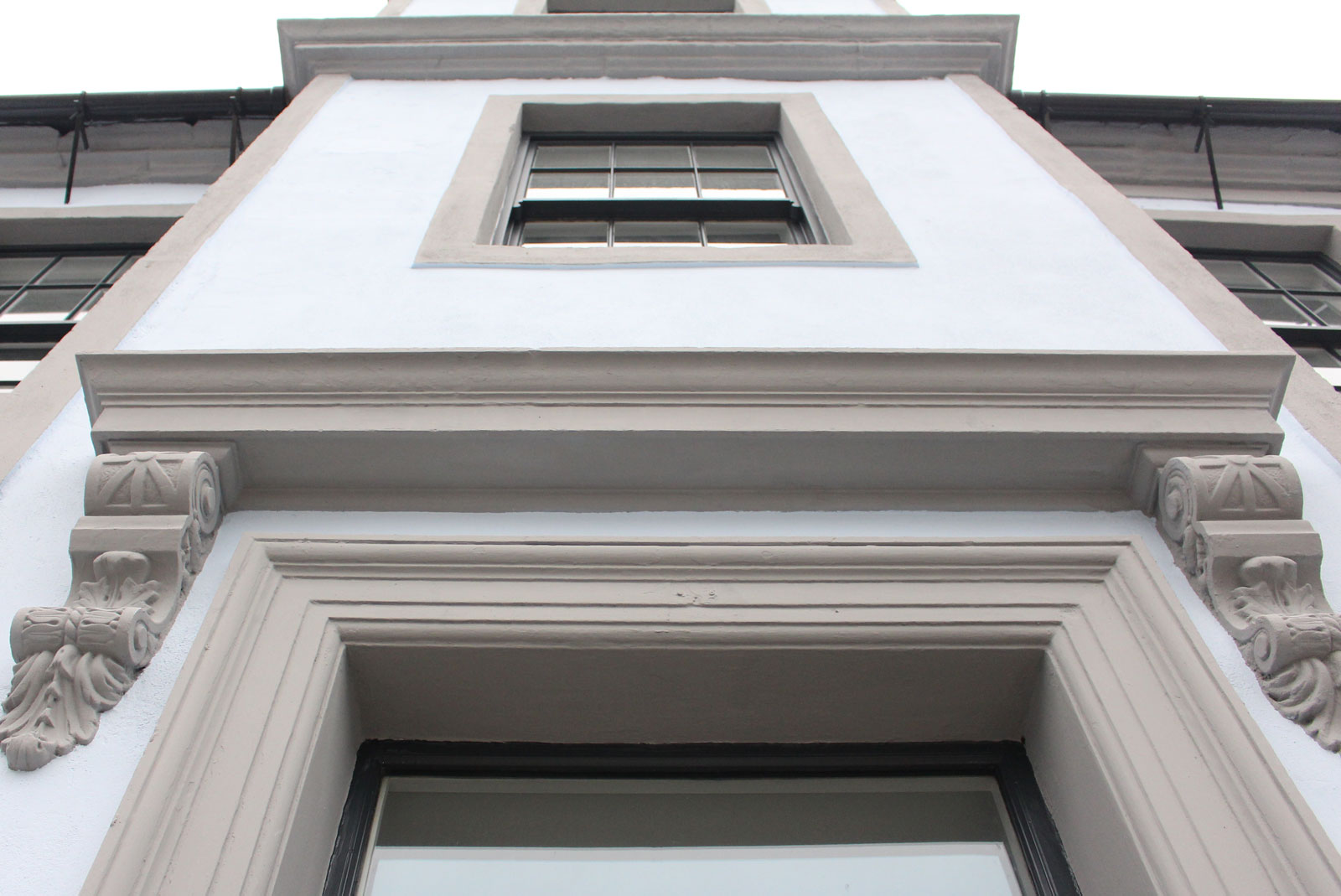
the wood panelling by dry and wet rot. It was only in 2009 that Howgill Centre
and Impact Housing decided to buy the derelict building and seek funding to
renovate it and turn it into West Cumbria’s first Young People’s Foyer.
The building has undergone a number of changes over the years with the
previous owners, the YMCA, taking over the building in the early 1900's.
By the 1990s, the house was derelict. The billiard tables were destroyed by a leaking roof,
the wood panelling by dry and wet rot. It was only in 2009 that Howgill Centre
and Impact Housing decided to buy the derelict building and seek funding to
renovate it and turn it into West Cumbria’s first Young People’s Foyer.